SSPE | Intermediate leadership course in a multinational environment 2024-2
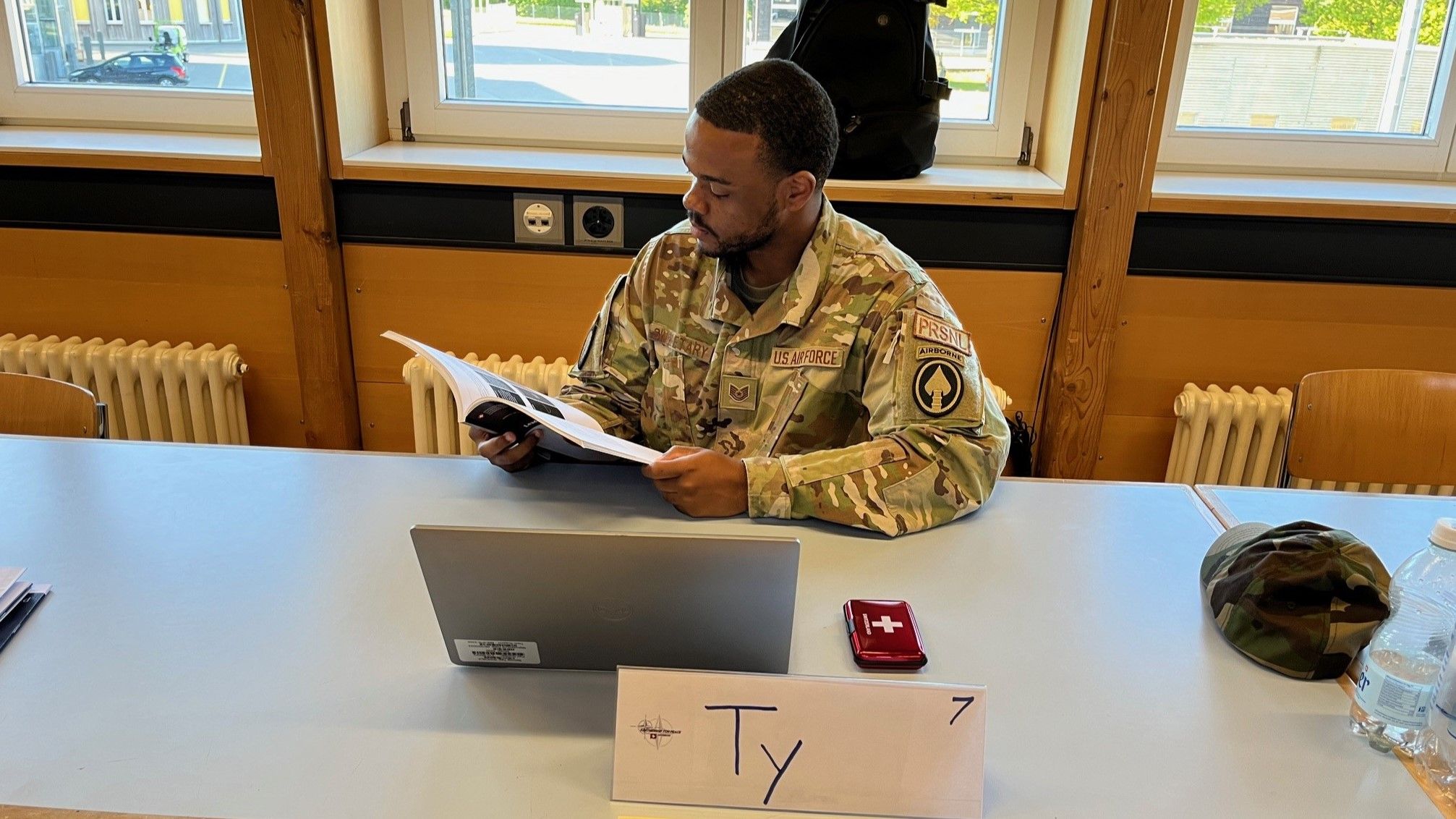
A leader is someone who can work effectively with their team to ensure a mission gets completed. A leader is someone who will dedicate their time to the health and wellness of their team but most importantly, a leader is an individual. A leader can and will make mistakes, but what they do with their mistakes is how someone can show true leadership.
What is a leader?
Failure is on the road to success no matter which path is chosen. Being a leader has a different meaning to different people, but how you inspire and mold the future generation is the epitome of success.
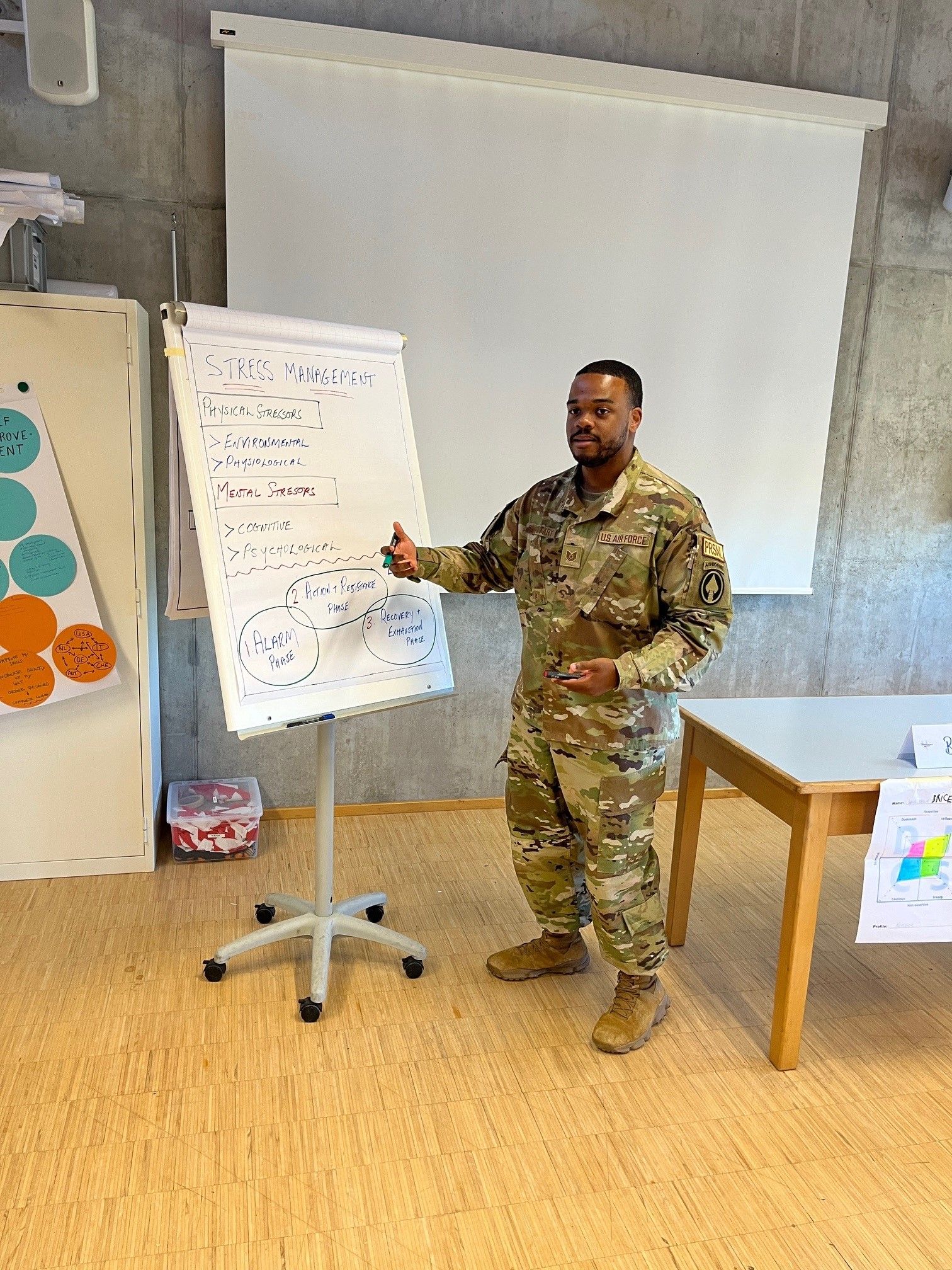
In this course, I learned several different methods and perspectives on how I can become a better leader and how to look at things from an multi-national point of view. Group development is a peak process on how to gather and maintain the right team. With the Forming, Storming, Norming, Performing, and Adjourning method, I was able to understand how to build a cohesive team at the foundation level. Although building a proper team is a bumpy road with many challenges, its constructed in the process to have disagreements and conflict (Storming) to in turn, perform at the level needed to complete the mission. Next, communication is a MUST for any effective team. It’s the leader’s job to try and articulate their words accurately and for the subordinates to paraphrase to lock in the understanding on both sides and vice versa. With the Johari Model I learned that you may see yourself completely different than how others see you. I have had a complete change in perspective of my traits after hearing a different perspective from my team members. Also, having a culturally diverse mindset can help push your thinking far outside the box. Being unbiased and understanding others point of view (especially from different nations) allowed me to grasp new leadership concepts from my teammates to utilize for future leadership roles. The DISC model provided me with a firm understanding that your leadership style can change depending on the environment you are in. For example, in times of combat D (Direct) would be utilize to quickly complete tasks and missions, while S (Steady) would be used in a more support function. Having the right values can not only enhance leadership but can inspire subordinates to follow you. Being trustworthy, having respect for others, having empathy, and being loyal are a few examples that I have learned to heighten effective direction. Finding out what goals your subordinates set, and how you can help them achieve those goals, can motivate them to work more diligently to complete a task due to care for their priorities.
I thoroughly enjoyed this course and all the teambuilding exercises that we experienced that I have never witnessed before. From starting off not knowing each other to building the best bonds because of team cohesion, this course has gone above and beyond my expectations and my understanding of how to become a future leader in my nation. I will take all of the information that I have received from this course, and from my fellow teammates, and make a great effort to become a better leader, mentor, and most of all, a better NCO.