Contribution to the stabilisation of South Sudan
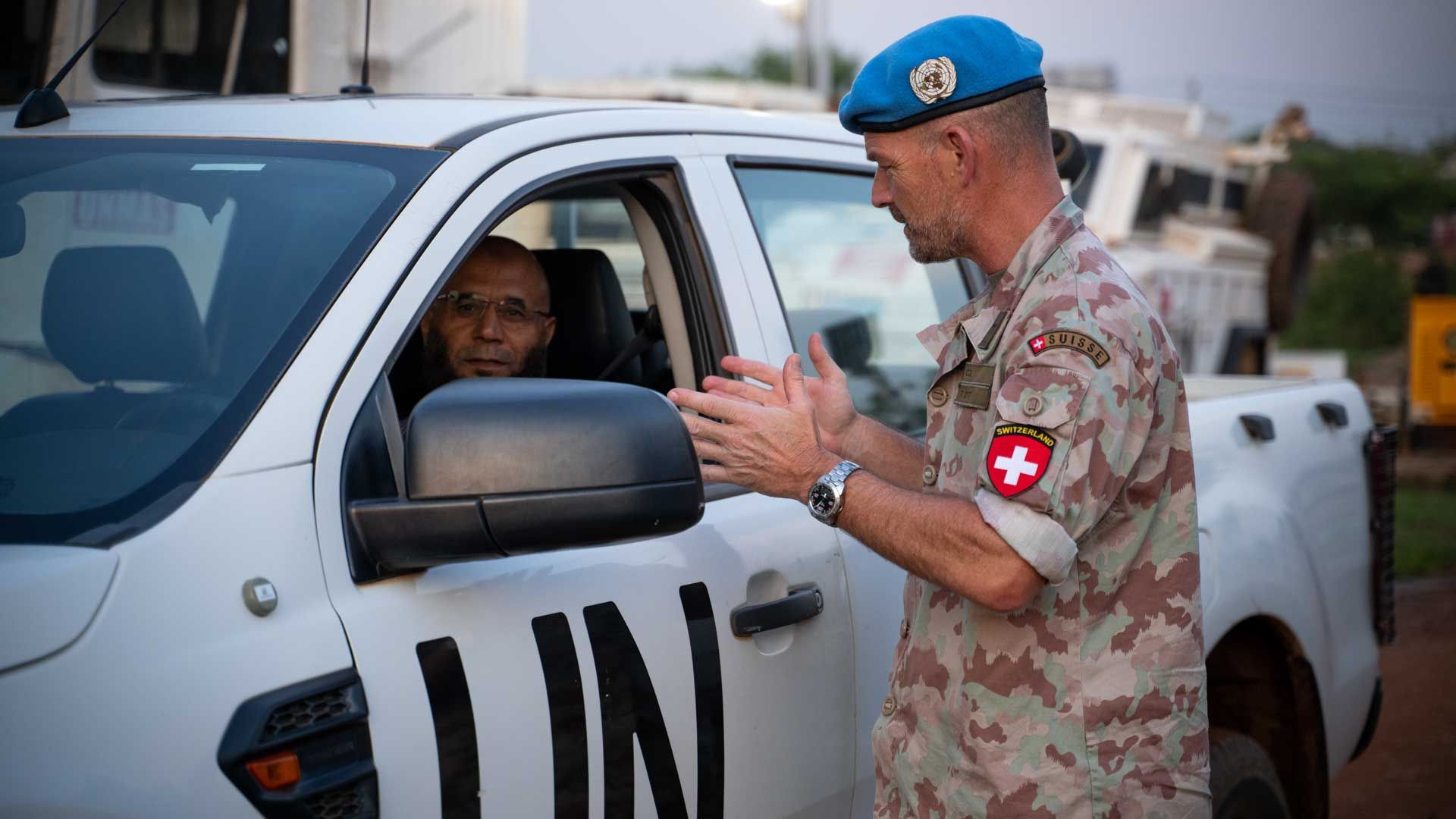
Interethnic conflicts, humanitarian crises and neighbouring countries embroiled in civil war –the challenges facing South Sudan are immense, with a security situation that is tense and volatile. The primary challenge for the UN mission, UNMISS, is the risk of a violent outbreak engulfing the entire country. As part of this peacekeeping mission, three members of the Swiss Armed Forces are also deployed on the ground.
Text Daniel Seckler, Communications SWISSINT
Despite the 2018 peace agreement and the end of the civil war at the national level, South Sudan suffers from regular outbreaks of violence. Various factors contribute to the precarious and highly volatile security situation in the world’s youngest state, which gained independence from Sudan in 2011. As a result, armed clashes frequently erupt between diverse groups, often driven by ethnic differences, territorial disputes or food insecurity. In addition, a weak economy and political tensions lead to unrest and violence. At the same time, South Sudan is facing a severe humanitarian crisis. More than three-quarters of the population are dependent on humanitarian aid. Food shortage is acute, 1.65 million children are malnourished, and the population suffers from very limited access to medical care. Floods cause massive inundations every year, leading to displacement and competition over resources. They also trigger cholera outbreaks, cut off access to rural provinces and exacerbate the already severe famine, which in turn fuels interethnic conflicts. The accumulation of these challenges increases the risk of nationwide conflict and the potential for the crisis to spread to neighbouring Sudan, where a civil war is already raging.
The role of UNMISS and Swiss participation
South Sudan is an extremely challenging operational area. The robust mandate of the UNMISS encompasses essential elements aimed to counteract the challenges mentioned and, above all, to strengthen security and stability. The tasks of UNMISS include the protection of civilians, providing logistical support for humanitarian aid, supporting the implementation of the peace agreement, promoting international humanitarian law and strengthening human rights. The UNMISS is thus also perceived as a stabilising factor by the local population.
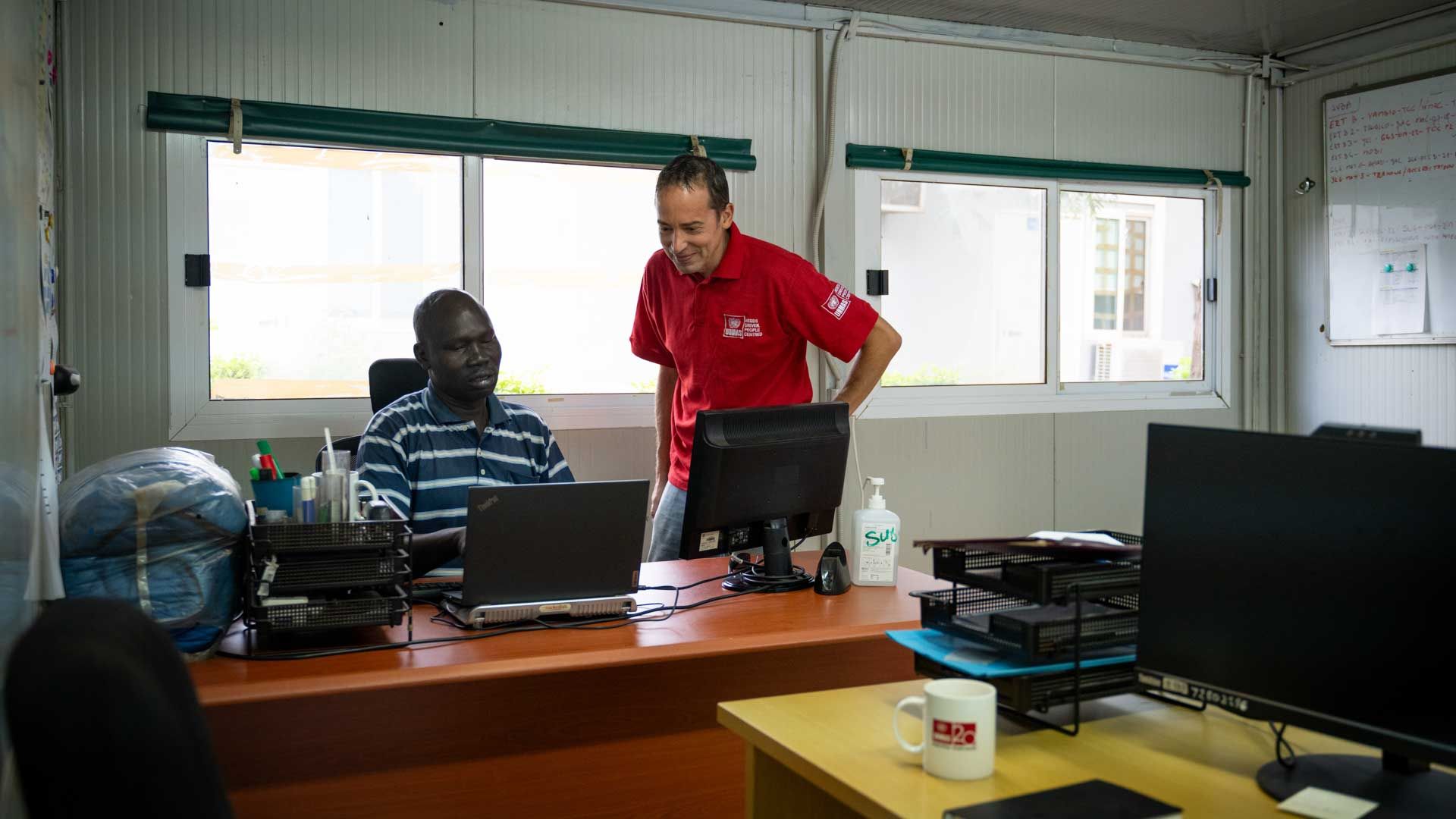
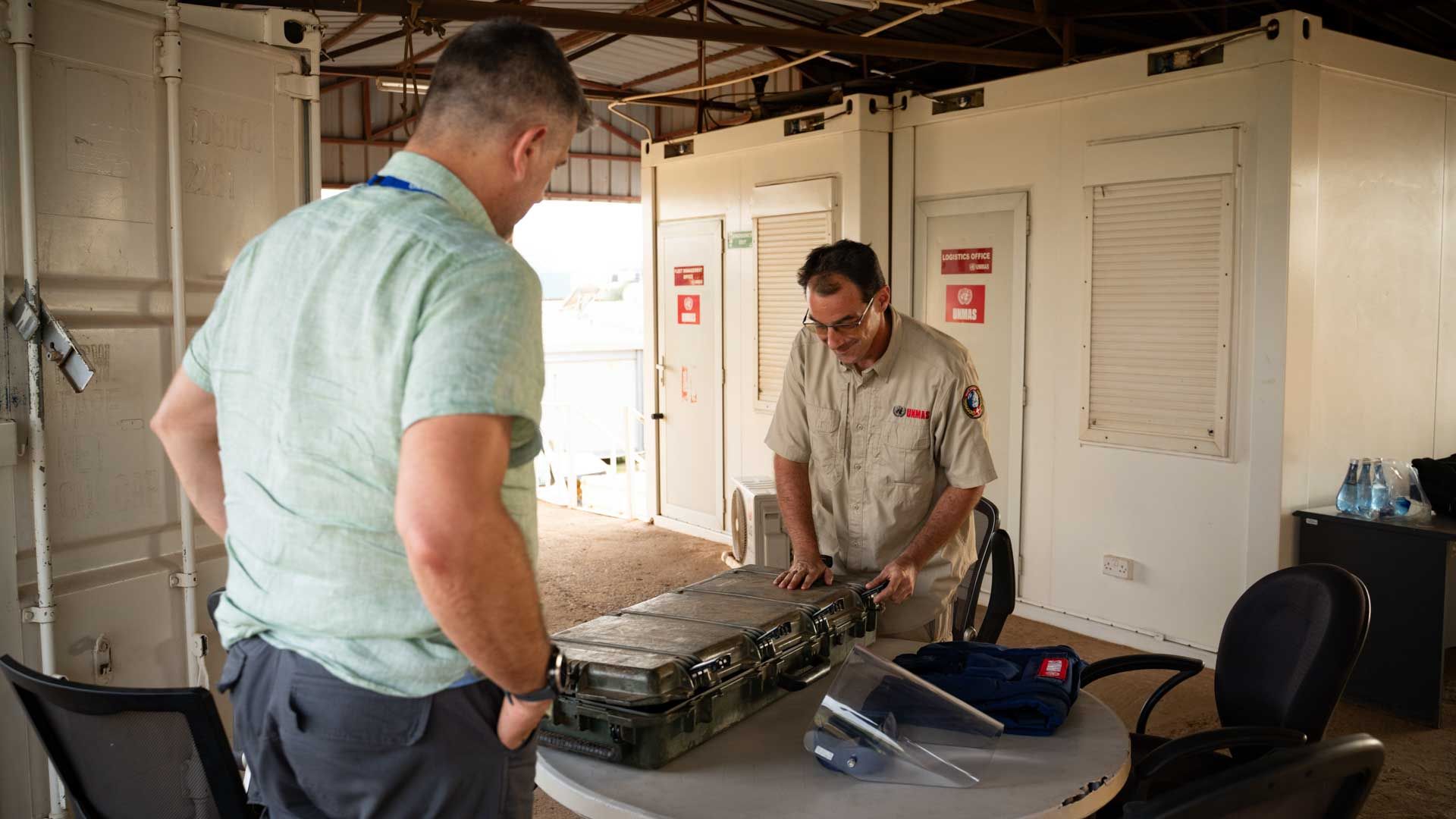
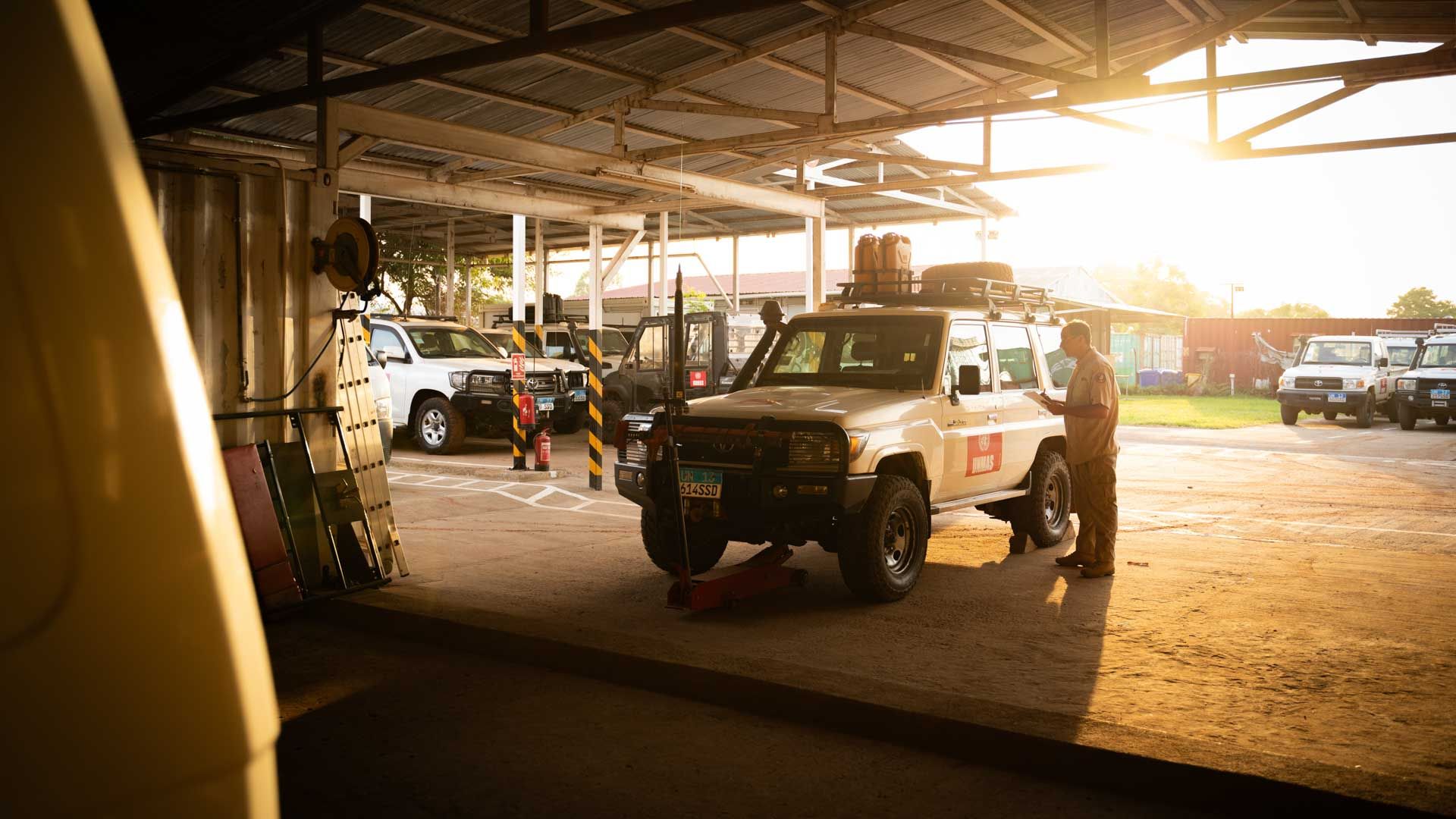
The UNMISS currently has a force strength of approximately 17,000 contingent troops, experts on mission, and staff officers, as well as around 2,000 police officers (UNPOL), and operates in an area 16 times the size of Switzerland. Three members of the Swiss Armed Forces are also deployed as peacekeepers in South Sudan. They serve as a staff officer in the field of situational analysis and assessment, as well as logistics and database specialists for UNMAS in the area of mine action. Even though Swiss participation in UNMISS is rather small in terms of personnel, the contributions are of high quality. The robust mandate and challenging environment of the mission allow members of the Swiss Armed Forces to gain valuable experience. Through direct integration into the multinational force, they acquire knowledge of standardised operational procedures and benefit from the military and technical expertise of members of other armed forces. After their deployment, these experiences in the field of international cooperation are carried over into the Swiss Armed Forces, thereby contributing to strengthen its defence capabilities.
Foundation for humanitarian aid
The efforts of UNMISS also exemplifies how military peacekeeping and civilian peacebuilding efforts complement each other rather than compete. Civilian aid and humanitarian support can often only be provided if a minimum level of security has been established through military means. For South Sudan, this means that food supply, for example, depends on the strengthening of the security situation, which is established through UNMISS. This is also confirmed by Shaun Hughes, Deputy Country Director of the World Food Programme (WFP) in South Sudan, who emphasizes the close partnership with UNMISS in ensuring a security environment that is conducive to humanitarian responses: “The presence and role of UNMISS in providing stability is crucial for the continuity of WFP operations in the most high-risk areas. When or if the security situation deteriorates, assistance in protecting humanitarian assets, which may include escorting critical food assistance as a last resort, is also vital in ensuring we reach South Sudan’s most vulnerable families.” In turn, these contributions to civilian peacebuilding and humanitarian aid lead to a reduction in humanitarian suffering, which subsequently improves the security situation. Projects by the WFP and the ICRC in South Sudan are also supported by Switzerland (SDC). Thus, civilian and military peace efforts work together in a mutually supportive and complementary way, laying the foundations for security and stability.