CommunicationPublished on 27 June 2019

Sebastian Peregrin Zwyer of Evibach (1597 – 1661)

At the end of June 1630, during the War of the Mantuan Succession, the imperial army besieged the capital city Mantua, which was eventually seized and plundered on 18 July. Lieutenant Colonel Sebastian Peregrin Zwyer of Evibach fought under the imperial ensign as one of commander Matthias Gallas's men.
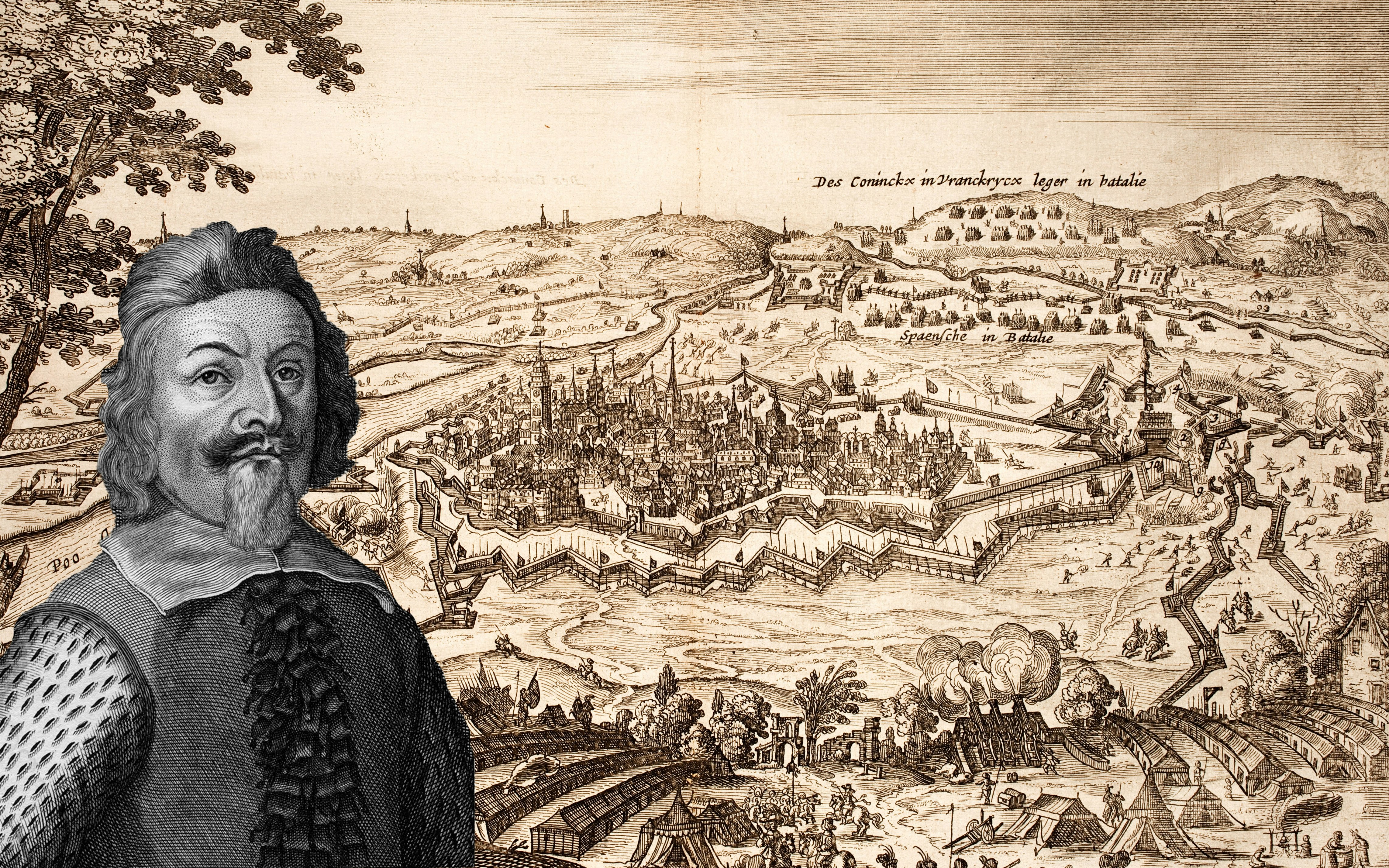
 

Born in 1597 as son of Andreas, advisor to the bishop of Constance and bailiff of Kaiserstuhl and Klingnau, young Sebastian Peregrin Zwyer of Evibach was well educated. When he was 15 years old, he took on his first assignment as a mercenary for the Duchy of Milan (in the service of Spain). Later, he fought for the Empire in several battles of the Thirty Year's War, including the Battle of White Mountain in 1620, at which he held the rank of a major. In 1624, now promoted to lieutenant colonel, he was wounded at Glückstadt, and six years later he participated in the siege of Mantua.

In 1634, as an adviser to Cardinal-Infante Ferdinand of Habsburg, Sebastian Peregrin Zwyer of Evibach accompanied the Cardinal's army to the Spanish Netherlands and fought with them in the battle of Nördlingen. In 1635 Sebastian Peregrin Zwyer of Evibach was promoted to Major General and appointed a member of the Supreme War Council. The following year he was tasked with reorganising the forces according to the Swedish model. In 1638 he raised his own regiment, which served the Duchy of Milan and which he commanded until 1641. Returning to the service of Austria, the year after he finished his military career with the rank of a lieutenant field marshal.

When his father died in 1622, he followed in his footsteps as episcopal bailiff of Kaiserstuhl and Klingnau. He also carried out diplomatic missions in Munich and in the Confederation on the orders of the emperor, becoming, in 1632, adviser to the emperor and chamberlain. From 1642 onwards, he devoted himself almost exclusively to political and diplomatic activities. As Uri's representative, he was sent to the Federal Diet (1644-58), and also held the positions of vice-governor (1645-47), governor (1647-51 and 1657-59) and state governor (1648).

During the Swiss peasant war of 1653, Sebastian Peregrin Zwyer of Evibach was appointed commander of the Lucerne troops, which makes him the third commander-in-chief in Swiss history. Three years later, he again commanded Confederate troops, when he led the defence of Rapperswil against attacks from Zürich troops, but refused to take direct offensive action himself. He was one of the most influential men in the Confederate State in the 17th century.