Presence of officers at the UN Headquarters is important
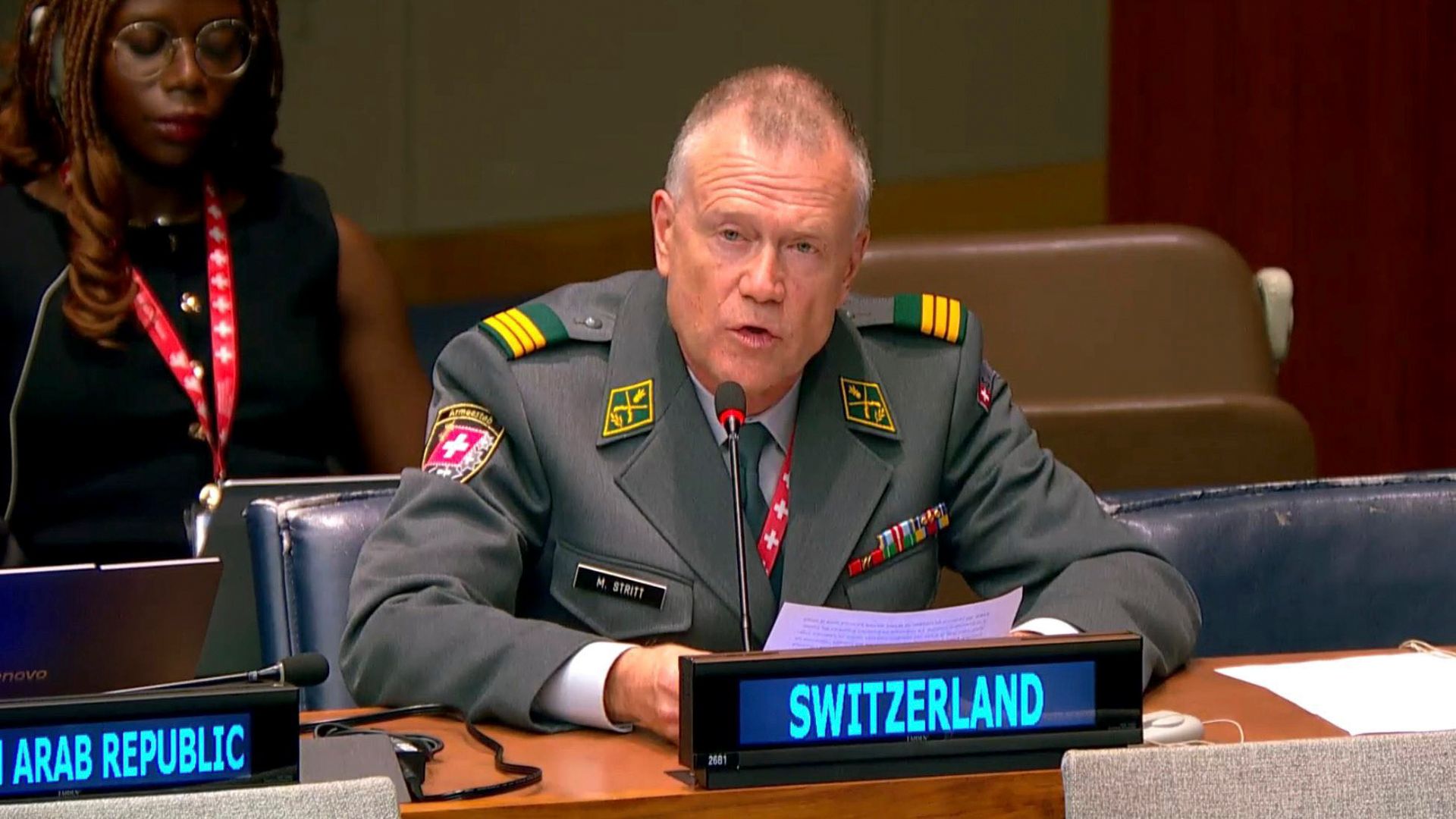
Responsibility for representing Swiss interests at the UN Headquarters lies with the FDFA, which maintains a diplomatic mission in New York for this purpose. However, many dossiers have a military dimension, which is why a military advisor from the International Relations Defence (IRD) division is assigned to the mission, where the focus lies mainly on peacekeeping and disarmament issues.
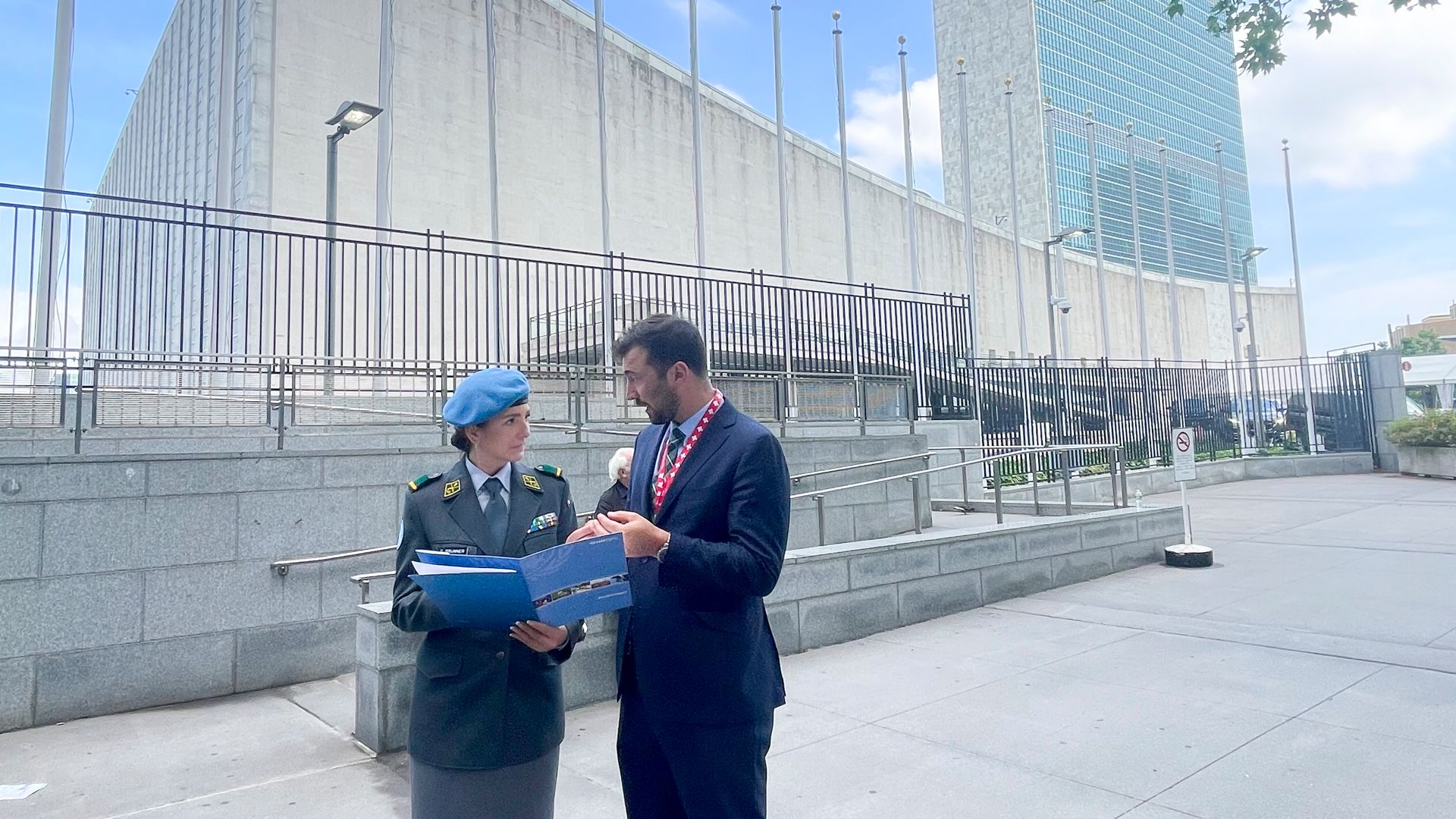
Text Colonel Marc Alain Stritt, former Senior Military Advisor at the Permanent Mission of Switzerland to the UN in New York
On 9 June 2022, Switzerland was elected as a non-permanent member of the Security Council for the years 2023/2024. This body consists of 15 member states, including five permanent members (China, France, Russia, USA, United Kingdom) and ten states elected for a term of two years. The Security Council bears primary responsibility for maintaining world peace and international security, and its decisions are legally binding for all UN member states. In preparation for Switzerland’s seat, the DDPS increased the number of its military advisors in New York from one to three for this period, at the request of the FDFA. Additionally, it set up a team in Bern for the “Coordination of Security Council Matters” which defines the DDPS positions and coordinates with the FDFA, as well as a “Mandates” team which analyses peacekeeping missions and their mandates and ensures the link with the intelligence services.
Close cooperation between the DDPS and the FDFA
Every UN mission is authorised by the Security Council, which reviews its mandate annually. The main task of the military advisors is to analyse the performance of the peacekeeping missions and, if necessary, to propose adjustments to the mandates during the renewal negotiations. For each of these missions, a tandem consisting of a diplomat and a military advisor was formed, to analyse the diplomatic and political developments on the one hand, and the military and security developments on the other. This joint analysis functioned very well, and the cooperation between the FDFA and the DDPS over the past two years has been more intensive and closer than ever before.
Contact with military representatives of the permanent members of the Security Council
The Military Staff Committee (MSC) is a subsidiary organ of the Security Council. It is mentioned in the Charter (Art. 47) and was formally established in January 1946 by the very first resolution of the Security Council. Originally, the MSC was composed of the chiefs of staff of the armed forces of the five permanent members. Today, it serves as an excellent forum for the exchange of information on peacekeeping and the global security and military situation. Most importantly, it enables direct and regular access to the military representatives of the permanent members, who are responsible for drafting the resolutions for the extension of missions.
Additional responsibilities of military advisers
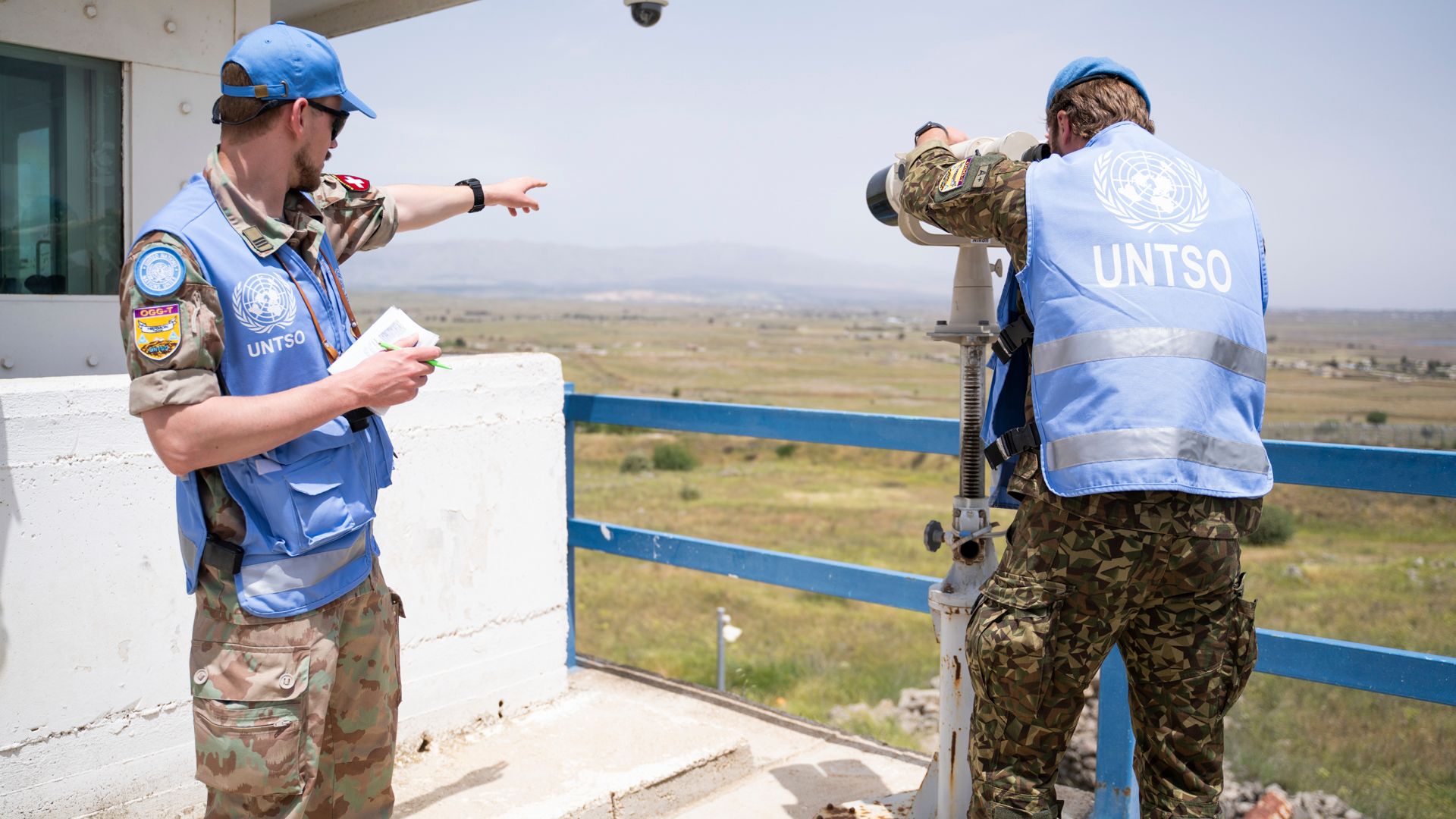
Another important task of the military advisors is the administrative support – in close collaboration with SWISSINT and the UN Secretariat – of the approximately 25 military observers and experts currently deployed by Switzerland in five of the eleven UN peacekeeping missions. This also includes contributing to the conceptual development of this instrument and representing and defending Switzerland’s military interests in the relevant negotiating bodies. The most important of these is the Special Committee on Peacekeeping Operations, in which all states providing personnel for UN missions are represented. The committee meets annually for five weeks in February/March and aims to formulate recommendations from the member states to the Secretariat concerning the future of peacekeeping. Current political tensions complicated the adoption of a report, as it must be passed by consensus. This year, the committee concluded its work without being able to agree on a final text.
Better access to information thanks to commitment
In addition to the military advisors at the Permanent Mission, the DDPS is also engaged through officers at the UN Headquarters. This presence meets the needs of the UN and has been expanded over the past ten years to eight officers in various functions. The expertise provided in this way is another, lesser-known but highly valued contribution by Switzerland to peacekeeping. In return, the DDPS gains significantly better access to information and can exert its influence more effectively.
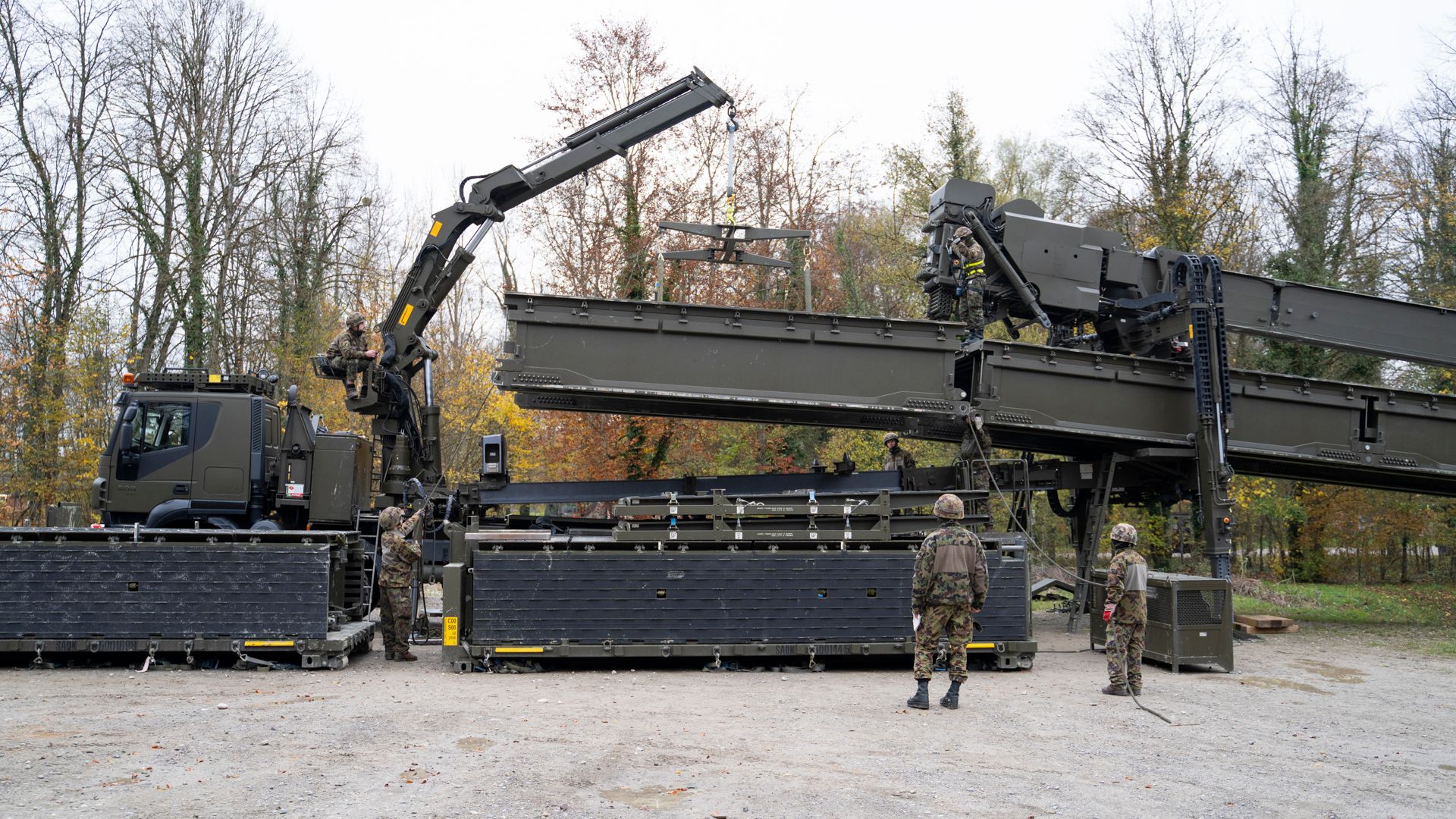
Finally, attention should be drawn to another important step in expanding Switzerland’s peacekeeping capacities. For the first time, the Swiss Armed Forces subjected three of its companies to an evaluation by UN military experts. This Assessment and Advisory Visit (AAV) took place in November 2024 in the region of Stans. The aim was to demonstrate to the experts that the Swiss troops are trained, equipped and led in accordance with UN standards. The very good results showed that a Swiss contingent could be integrated into an ongoing peace operation without difficulty, should the political leadership decide to do so.