
Karl Ludwig von Erlach (1746 – 1798)
On 12 April 1798 the canton of Léman was established and its authorities took office. The people of the Pays de Vaud had already adopted Switzerland’s first Constitution ever on 15 February 1798. This had been given to them by the French generals who had invaded the Pays de Vaud on 24 January. Karl Ludwig von Erlach was entrusted with the supreme command of the troops called upon to defend the Confederacy against the French. However, von Erlach was unable to prevent the defeat of Bern, which lead to the fall of the Old Swiss Confederacy in less than three months.
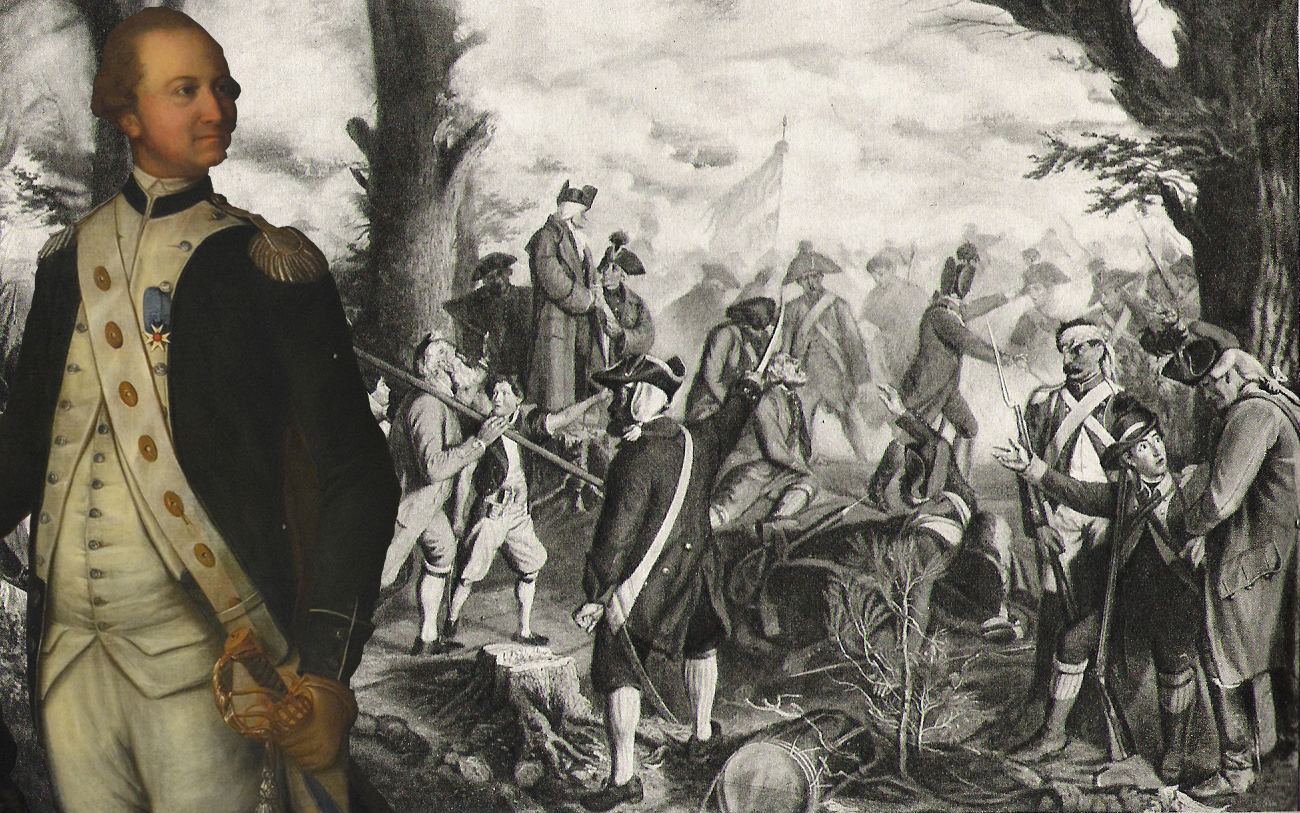
Karl Ludwig von Erlach was born in Bern on 10 November 1746. After his military training, he entered the service of France as an officer of the Swiss Guard. In 1774, he was appointed Commander of the Schomberg Dragoon Regiment with the rank of colonel, and in 1775, he was appointed Knight of the Order of Military Merit before returning to Switzerland. As a reward for his services, he was made Count of the Empire and Lord of Hindelbank, Bäriswil, Mattstetten and Urtenen.
In 1775, he was elected to the Grand Council of Bern. In 1790, he was appointed Field Marshal, and, in 1791, the Bernese government put him at the head of its troops to suppress the unrest in the Pays Vaud. On 24 January 1798, the Pays de Vaud declared its independence as the Lemanic Republic, and called for the support of the French army. The Bernese troops retreated without fighting in the regions of Murten and Fribourg, while a second French army corps stationed itself in the former bishopric of Basel. The French advanced from both the north and the south on Bern and the allied cities of Fribourg and Solothurn. The supreme command of the Confederacy’s troops was entrusted to Karl Ludwig von Erlach, but the constant interference of the War Council prevented him from carrying out his clear operational strategy.
The clashes began on 1 March 1798 and continued the following day near Lengnau (Bern), Grenchen and in the Ruhsel forest between Alfermée and Twann, ending with the surrender of Solothurn. On 4 March, the Bernese government surrendered, but the cantonal troops still tried to stop the French advance. After conquering Fribourg and Murten, the French advancing from the south were finally stopped at the battle of Neuenegg on 5 March 1798. However, the victory of the French advancing from the north on Grauholz on the same day marked the final defeat of Bern and the end of the Old Swiss Confederacy. General Karl Ludwig von Erlach was wrongly blamed for the defeat of Bern, and was assassinated by his own troops on 5 March 1798 near Wichtrach, on the road to the Bernese Oberland, where he had intended to continue his battle against the French.