
Humanitarian Mine Action
Switzerland's vision
Twenty years after mine action first became an international topic, considerable progress on the road towards achieving a mine-free world has been made. Large areas have been cleared, new standards and international norms have been introduced while new international legal instruments have been created and implemented. Switzerland is a committed actor that makes important contributions to the relevant processes.
Despite these major successes, significant challenges persist. Currently, at least 60 states and regions have mined areas and 29 remain contaminated with cluster munitions. As such, even decades after the end of conflicts, there are still large areas of land that the population uses only at great risk if at all. This hinders development. In addition, the 2010s saw a resurgence in the use of mines and other explosive ordnance, including cluster munitions, in newly flared-up conflicts. This led to new contamination in the Middle East, the Sahel, Ukraine and the Horn of Africa.
In the long run, Switzerland continues to strive for a world in which there are no new victims of anti-personnel mines, cluster munitions and other explosive remnants of war – a world in which economic and social development progresses smoothly and the needs of the affected populations are adequately met. From 2016 to 2022, Switzerland wants to substantially contribute to the fulfillment of this vision.
Communities are continuously affected by these remnants of war. As these weapons remain active for years, mines and unexploded ordnance impede both civilian and military peace efforts, limiting socioeconomic reconstruction of the affected communities.
Switzerland’s long-term goal is a world in which people can live without the risks of mines and other explosive ordnance, thus enabling sustainable economic and social development. From 2023 to 2026, Switzerland wants to substantially contribute to the fulfillment of this vision.
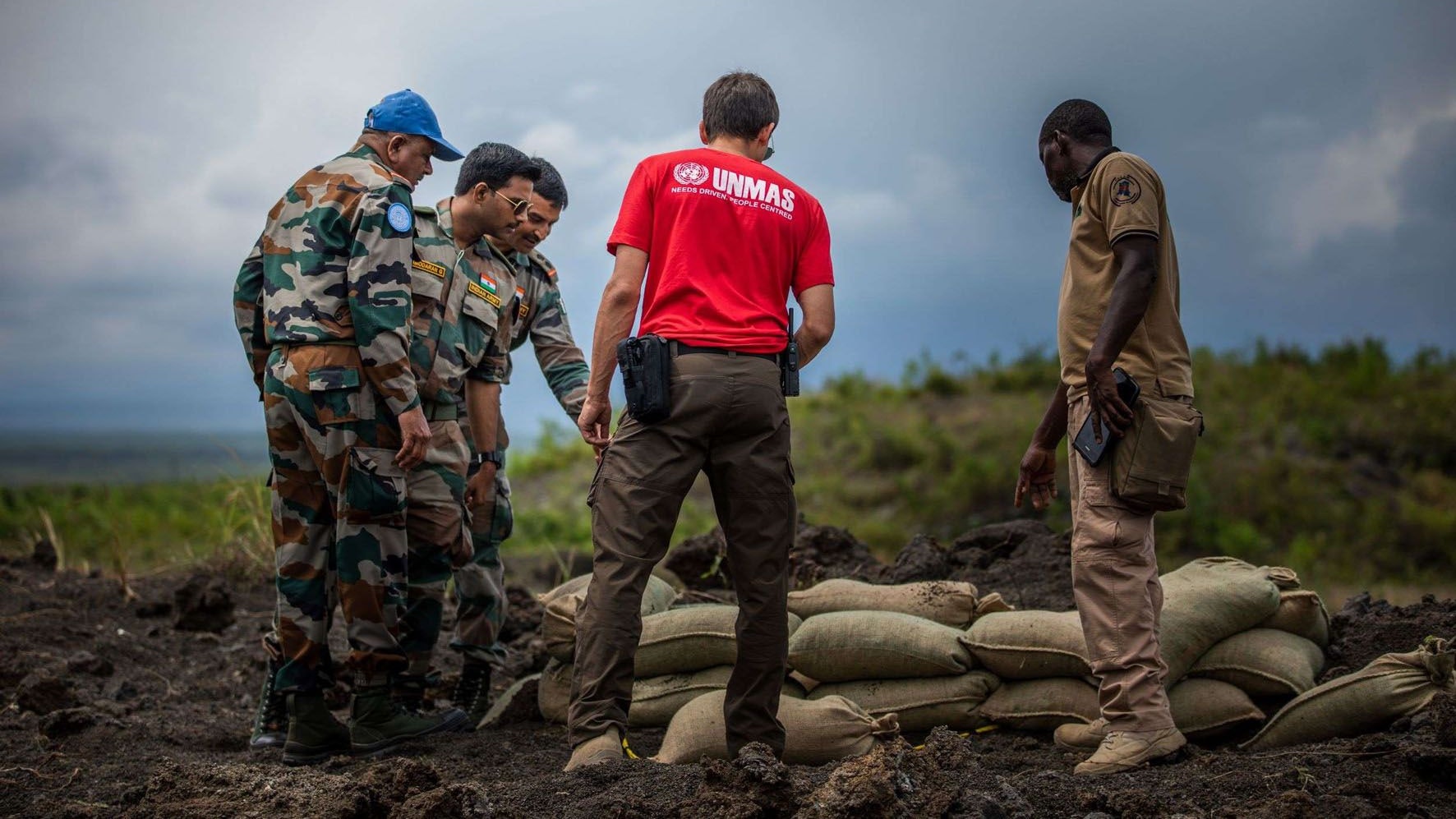
Switzerland's international commitment includes political and diplomatic activities as well as financial, personnel and material contributions to mine action programmes worldwide. The Swiss Armed Forces make valuable contributions to these efforts.
The Action Plan of the Swiss Confederation as a Guideline
The Swiss government's Action Plan Mine Action determined Switzerland's quintessential contributions to international humanitarian demining efforts. With this mission in mind, Switzerland has set itself three objectives:
- Promotion of the normative framework.
- Humanitarian Mine Action on the ground.
- Innovation.
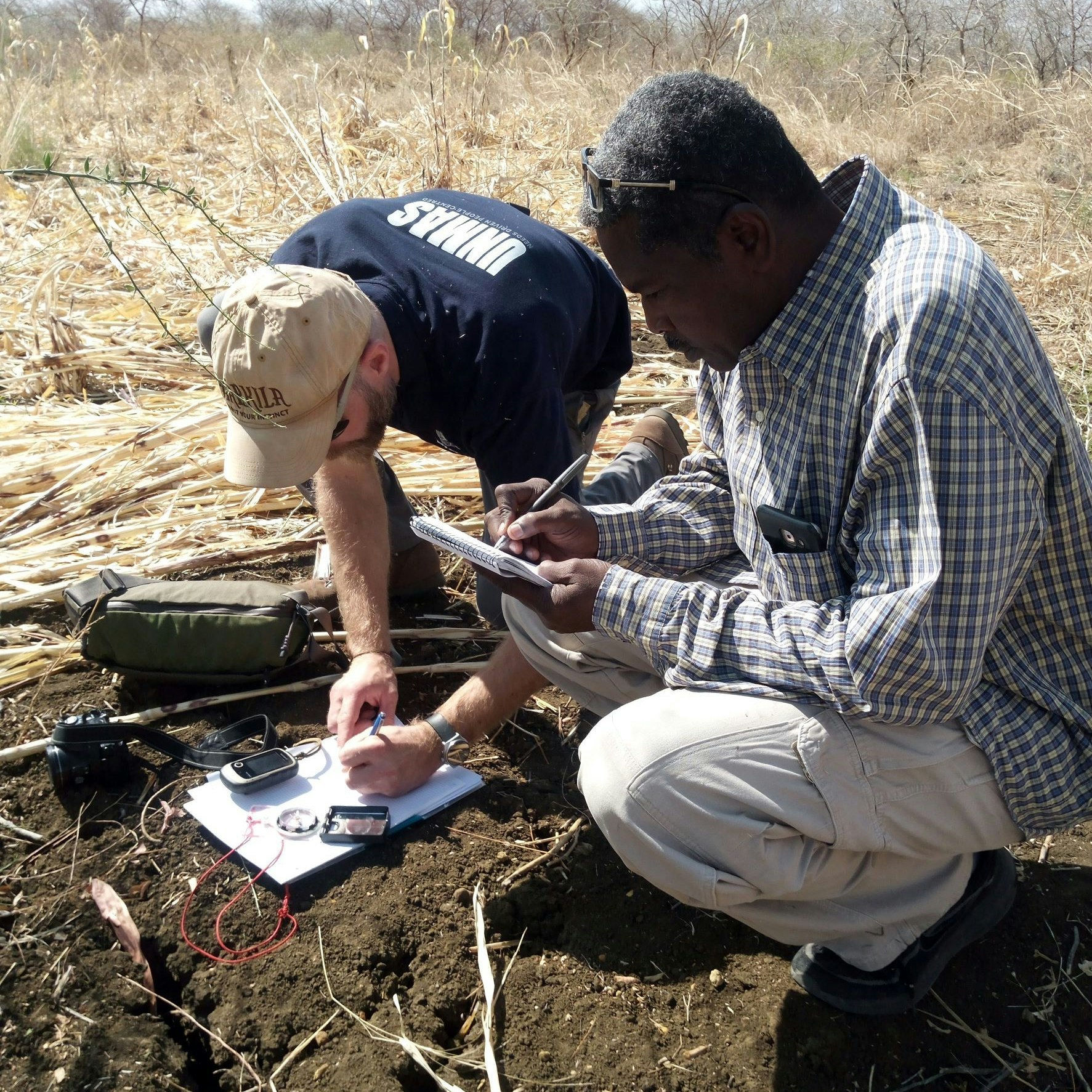
The DDPS supports mine action primarily by sending members of the armed forces deployed on the basis of the Military Act, primarily within the framework of military peace support in UN or OSCE programmes. Furthermore, the DDPS conducts training courses and contributes to their financing. The armed forces can also support clearance programmes with special equipment and supplies. Finally, the DDPS provides expertise – primarily from the Explosive Ordnance Disposal and Mine Action Command (Swiss EOD Center) – to expert committees and can conduct on-site evaluations on behalf of the FDFA.
The Mine Ban Treaty
Switzerland was one of the first states to sign the Convention on the Prohibition of the Use, Stockpiling, Production and Transfer of Anti-Personnel Mines and on Their Destruction (Ottawa Convention) ratifying it on 24 March 1998.
In the meantime, 164 states have ratified the treaty (as of November 2023).
The treaty prohibits the state parties to use, stockpile, produce or transfer anti-personnel mines and requires that any current stockpiles be destroyed within four years of ratification. Furthermore, anti-personnel mines have to be cleared from the sovereign territory of a state party within ten years of ratification, although it is possible to request an extension.
The special feature of the Ottawa Convention consists in the commitment that the state parties have taken in mutually supporting each other. The idea is primarily to support affected countries in their efforts to clear mined areas, prevent accidents and assist victims.
The Convention on Cluster Munitions
In 2008, Switzerland signed the Convention on Cluster Munitions (known as the Oslo Convention), which prohibits the use, stockpiling, production and transfer of cluster munitions. The Convention represents an important legal development for humanitarian demining: The comprehensive ban on production, transfer, stockpiling and use of cluster munitions should preventatively curtail the humanitarian consequences of explosive war residues.
The Convention came into effect on 1 August 2010. Switzerland ratified it on 17 July 2012. To date, 112 states have ratified the Convention (as of August 2023).
Interdepartmental coordination
The Swiss coordination mechanisms for mine action follow the principles of the successful «whole of government» approach to the implementation of Switzerland’s mine action action plan. Coordination takes place in the Mine Action Coordination Committee (KAM), with diplomatic work being coordinated under the leadership of the FDFA and operational coordination under the direction of the DDPS.
Mine action is not an isolated domain: in most cases, it is integrated in country programmes. Therefore, coordination with other strategic frameworks and relevant working groups will be increased as additional synergies with country programmes in development co-operation, humanitarian aid and peacebuilding are sought. As a result, humanitarian demining comprises part of the 2030 agenda for sustainable development.