Capacity building
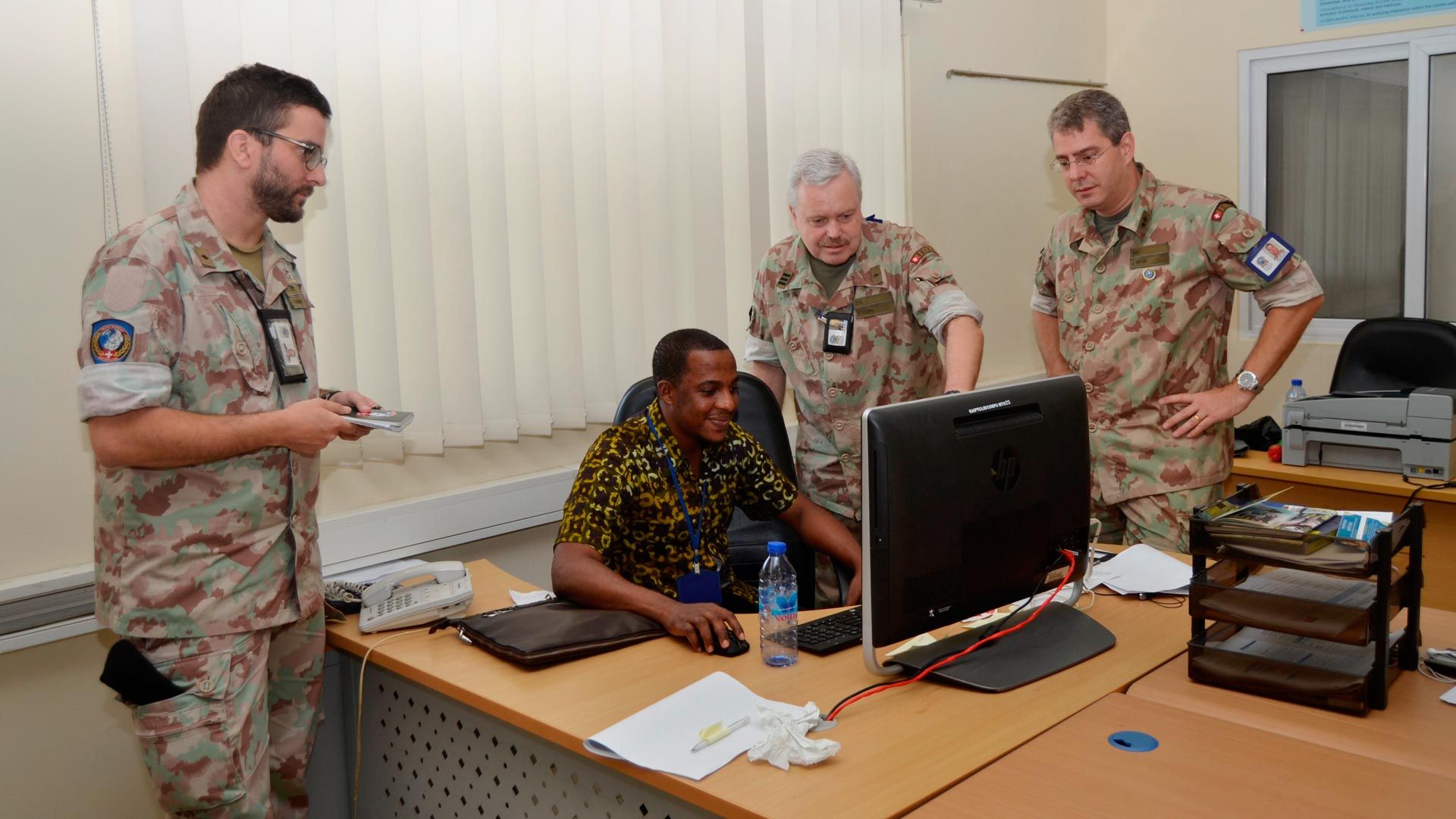
The Swiss Armed Forces contribute personnel and financial resources to a wide range of capacity building activities, which have become a central element of international peace support. Security, stability, and the rule of law are promoted through training, advice, and the exchange of expertise. This support strengthens the capabilities of local security forces and state institutions, empowering them to act independently and helping to stabilise entire regions in the long term.
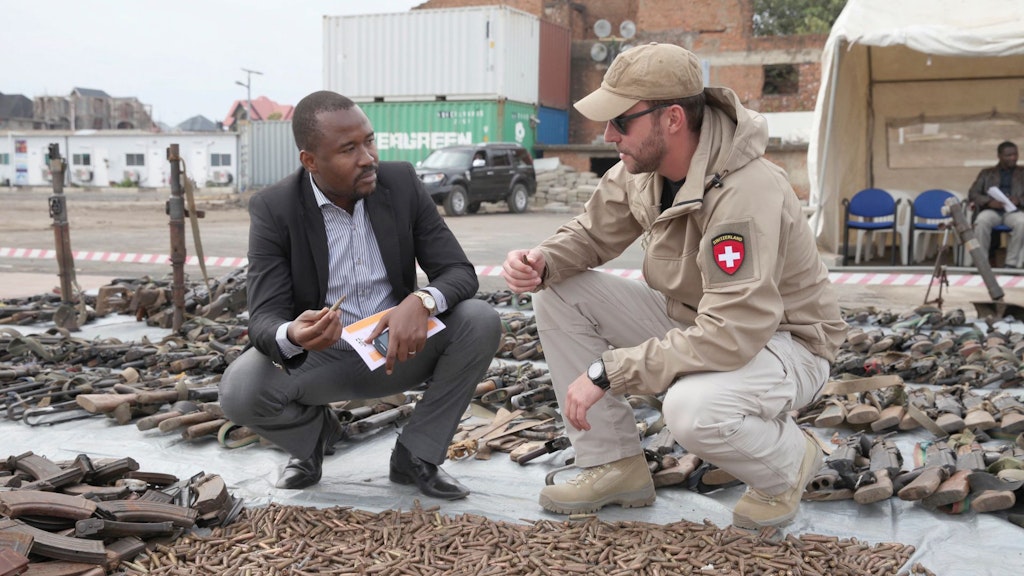
Capacity building includes security sector reform (SSR) as well as disarmament, demobilisation and reintegration (DDR). SSR aims to support local security forces – such as the armed forces, police, border guards and judicial authorities – with targeted measures so that they can act efficiently, transparently, in line with the rule of law, and in the service of the population. DDR focuses on disarming members of non-state armed groups, demobilising them and sustainably reintegrating them into society.
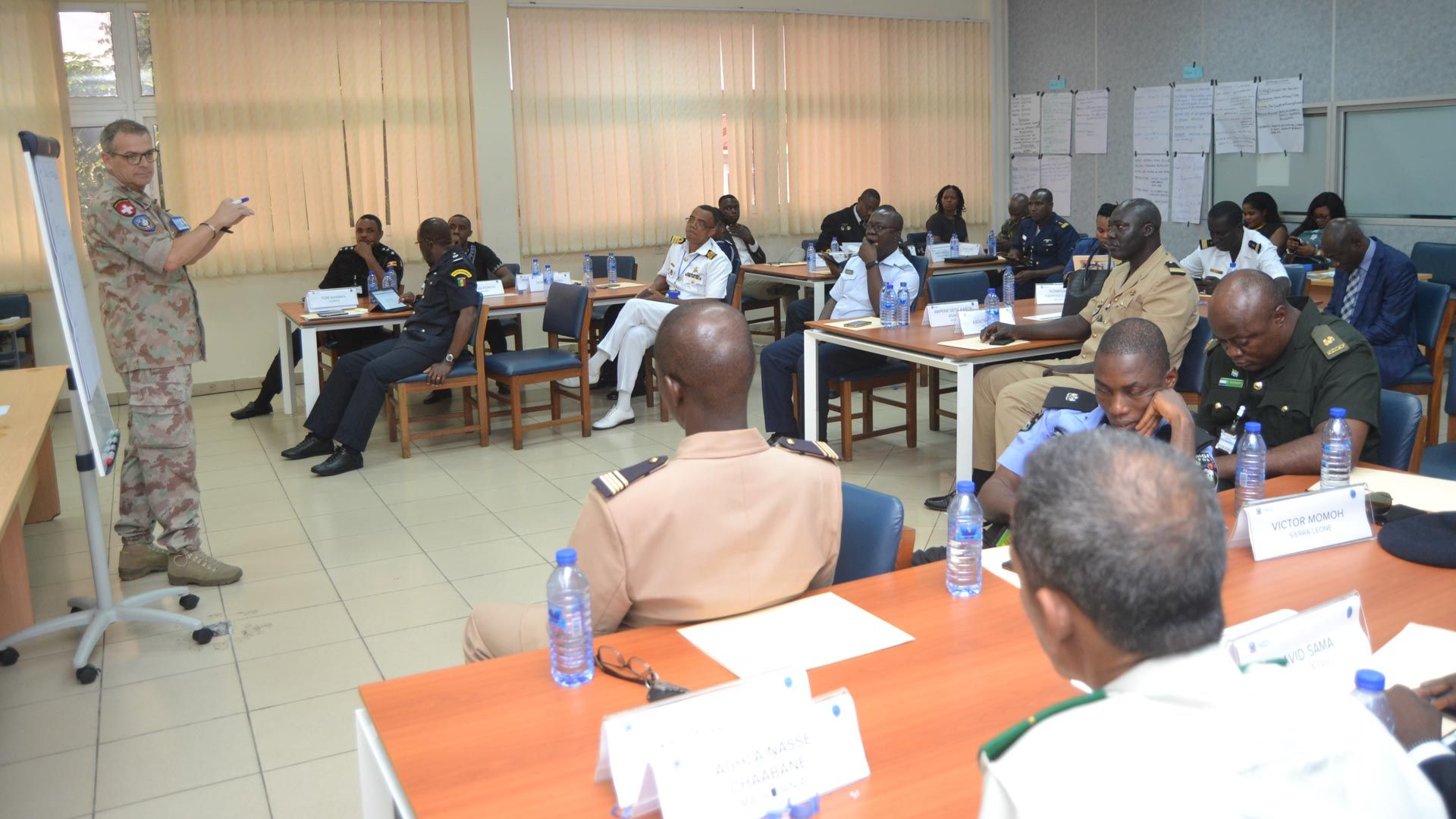
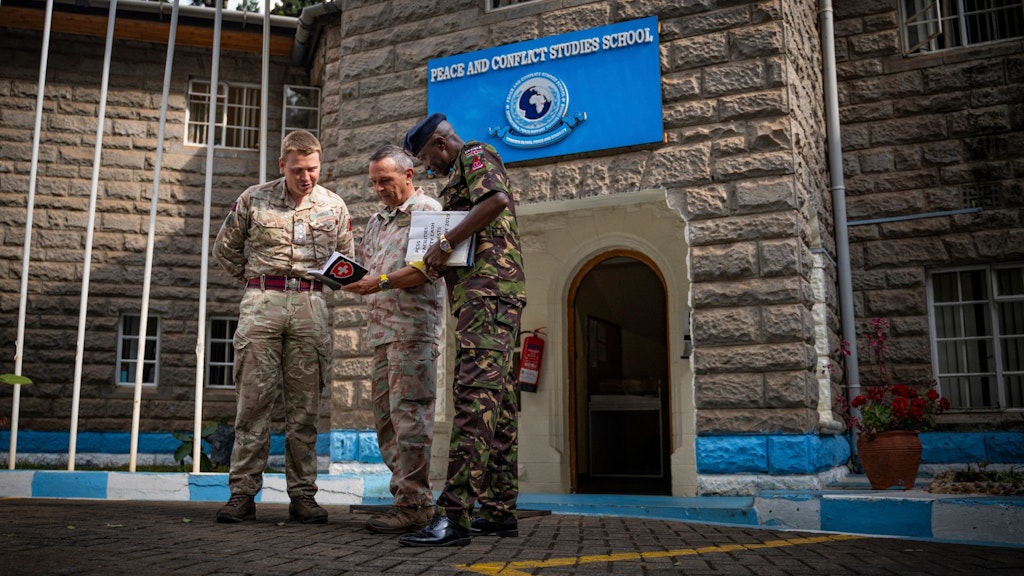
The Swiss Armed Forces also support training centres in Africa where military personnel, police officers and civilian experts are trained for deployment in international peace support missions – the Kofi Annan International Peace Support Training Centre (KAIPTC) in Ghana since 2006 and the International Peace Support Training Centre (IPSTC) in Kenya since 2014.
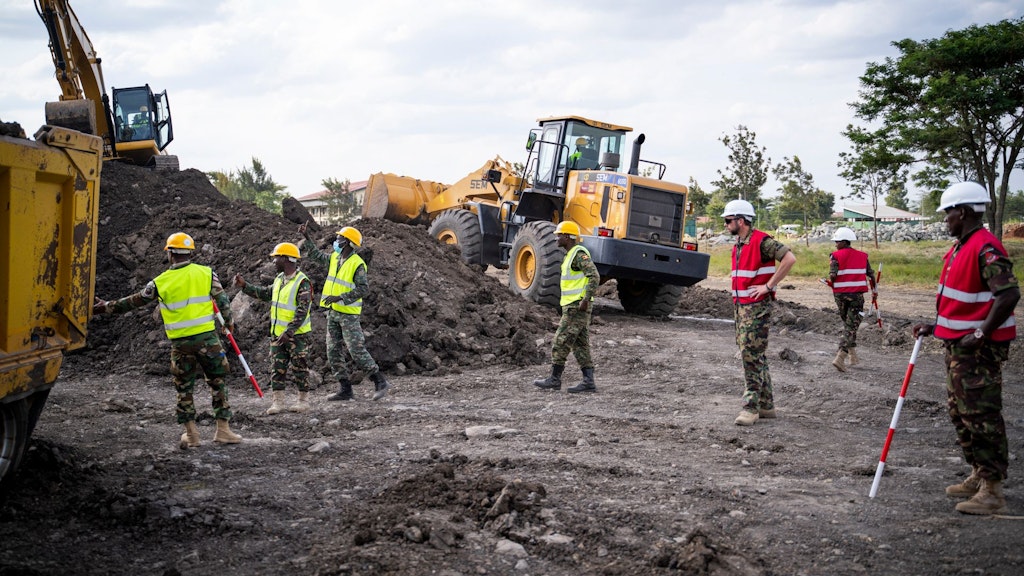
Capacity building includes the United Nations Triangular Partnership Project for African Rapid Deployment of Engineering Capabilities (UN TPP ARDEC), which was launched in 2014. This project aims to train engineering units from African states so that they can be deployed on peacekeeping missions to carry out horizontal engineering tasks, such as building camps, roads and airfields.
The safe handling and proper storage of weapons and ammunition, known as physical security and stockpile management (PSSM), are becoming increasingly important in capacity building. This involves comprehensive planning, implementation and assurance of correct procedures and appropriate secure storage for hazardous materials such as ammunition, explosives and weapons. Since 2011, for example, the Swiss Armed Forces have deployed small arms and ammunition experts to Bosnia and Herzegovina. The deployment has enabled the local armed forces to significantly reduce their weapons and ammunition stocks, and to safely store and manage the remaining stocks.